Skip to content

Posts by Askja Energy

Opera Software chooses Iceland

Iceland is experiencing increased interest from companies overseas for hosting their data in Icelandic data centers.

Opera-Software-logoRecently, Advania signed an agreement with Opera Software for the expansion of its operations in Advania’s green data center in Iceland. Advania is a leading Nordic Information Technology (IT) company and owner of Thor Data Center in Iceland. This new agreement continues the ongoing buildup at the data center with a near doubling of Opera’s current capacity.

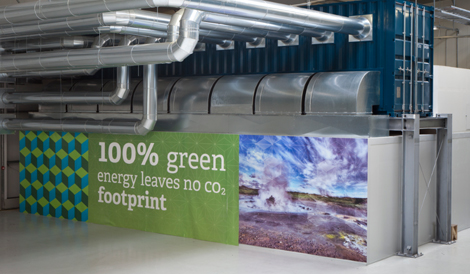
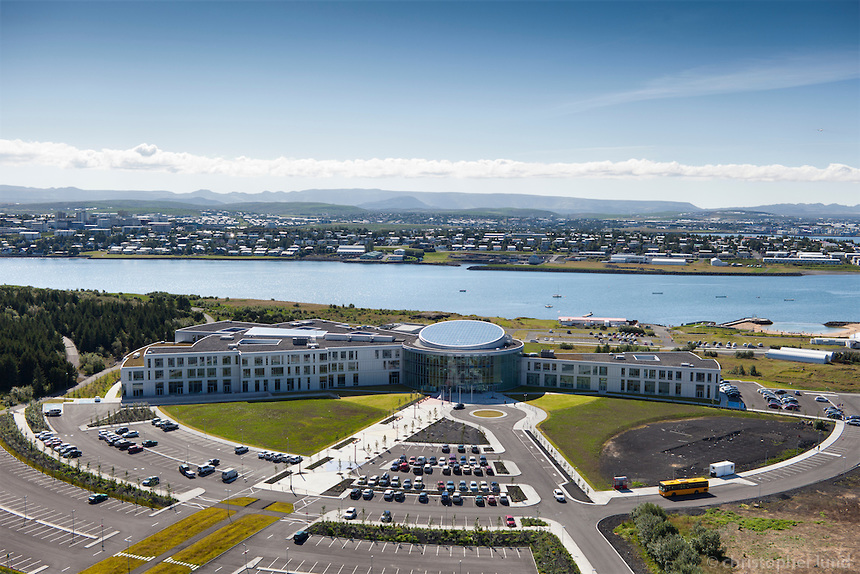
Advania-Green-Data-Centre-IcelandAdvania’s data center is arguably one of the world’s greenest data centers as all of the energy used at the site is generated from renewable sources and less energy is used for cooling due to the natural cool climate in Iceland. Opera Software uses the data center to facilitate web browsing for more than 230 million Opera Mini users around the world. Already more than half of Iceland’s Internet traffic runs through the Advania Thor Data Center, and this expansion is set to increase this traffic even further.

Opera Software was one of the first companies to seize the opportunity represented by Iceland’s affordable green energy and free cooling. This allows for an extremely efficient operation while still maintaining harmony with the environment since there are no carbon emissions from Iceland’s energy production. You can read more about how data centers in Iceland offer dramatic savings here.

Icelandic emissions are mostly from transport

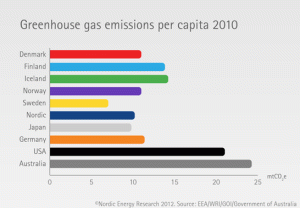
Nordic-Greenhouse-Gas-Emissions-Per-Capita-compared-2010

The countries of the Nordic region (Denmark, Finland, Iceland, Norway and Sweden) have much lower Greenhouse Gas (GHG) emissions per capita than some other Western countries. However, the Nordic countries have higher GHG-emissions than many other industrialized countries in Europe.

One of the main reason behind somewhat high emissions in the Northern countries, is the extensive energy-intensive industry in some of them. Finland and Sweden have a large  paper- and pulp industry, and Norway and Iceland have extensive aluminum industry (resulting from historical low power cost, from utilization of hydropower).

In Iceland, emissions from generation of electricity and from heating are very low owing to the exclusive use of renewable energy sources (geothermal and hydropower). Still, Iceland’s per capita GHG-emissions are the highest in the Nordic region.

Almost 80 per cent of the GHG-emissions stem from transport and fishing vessels. Process emissions from aluminium production plants have the most significant impact on emissions after transport.

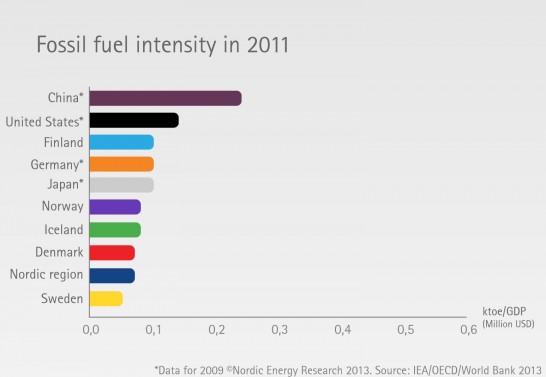
Nordic-Fossil-Fuel-Intensity-2011Fossil-fuel intensity is another interesting measurement. It tells us how much fossil-fuel energy it takes to create one unit of GDP. In this measure, China and the US are relatively fossil fuel intensive. The Nordic countries are well ahead of many other economies in their fossil fuel efficiency due to their high utilization of renewable energy. Iceland has a significantly lower fossil-fuel intensity than energy intensity, reflecting its abundant renewable energy sources, utilized both for electricity generation and heating.

Ithaca Energy on the Icelandic continental shelf

Ithaca Energy has bought the British oil- and gas exploration company Valiant Petroleum for GBP 203 million (approximately USD 310 million), in cash and stock.

Ithaca-Energy-logoIthaca Energy is a North Sea oil and gas exploration, development and production company with offices in Calgary, Canada and Aberdeen, Scotland. The Company was incorporated in Canada in 2004. Ithaca’s strategy is to grow through project asset acquisitions, development of assets within the portfolio and through license rounds.

Smaller oil producers and explorers in the North Sea are consolidating in a drive to revive flagging output in British waters. The deal will enable Ithaca to double its 2013 production forecast from oilfields in the North Sea, to 14,000-16,000 barrels of oil equivalent per day. Ithaca has stated  the deal will help it transform itself into a leading mid-cap North Sea oil and gas operator, with proven and probable reserves of about 74 million barrels of oil equivalent.

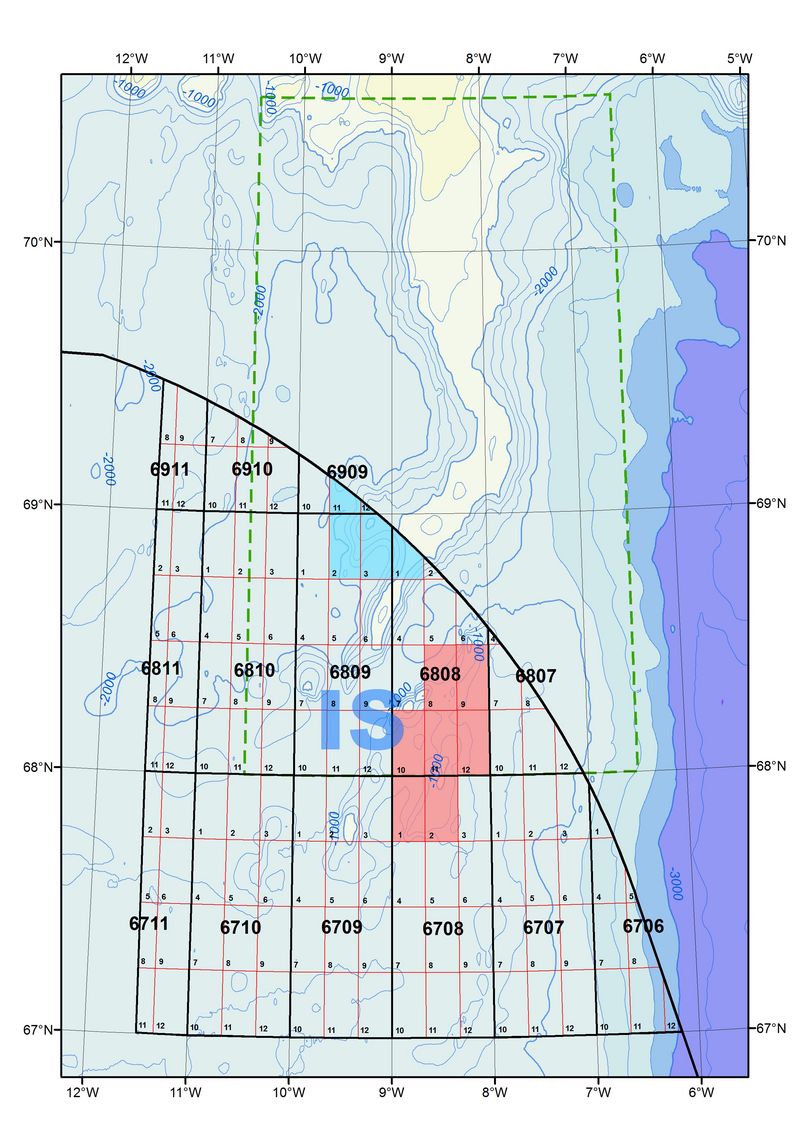
Iceland-Oil-Exploration_Faroe-Petroleum-Valiant-Petroleum-litud-areas-DrekiIn a study published in last December, the University of Aberdeen forecasted that British oil output from the North Sea will rise in the next few years, reflecting more investment, high prices and tax breaks. What is more interesting, in an Icelandic perspective, is that Ithaca Energy now becomes a direct player in oil exploration on the Icelandic continental shelf. Last year (2012), Valiant Petroleum was awarded a license for exploration and production of hydrocarbons in the Dreki Area, Northwest of Iceland (area marked with blue color on the map).

According to movements on the stock market it seems that the acquisition is expected to strengthen the projects that were part of Valiant’s portfolio. This may be good new for Iceland. When the deal was announced, Valiant’s share price rose 35 per cent. How the aquisition will affect exploration on the Icelandic continental shelf will be realized in the coming summer and years.

Powerful partnership with Reykjavik University

The Icelandic Energy Portal recently signed up for a partnership with the the School of Science and Engineering at Reykjavik University (RU).

Reykjavik-University-studentsThe School of Science and Engineering was established in 2005, following the merger of Reykjavik University and the Technical University of Iceland. The School is one of the largest academic schools in Iceland. Reykjavik University is Iceland’s largest private university, with more than 3,000 students and over 500 employees.

The  School of Science and Engineering offers three year BSc engineering programmes, variety of diploma programmes in technology, a BSc programme in constructing architecture, and graduate studies (including MSc and PhD programs). Languages of instruction are Icelandic and English. Reykjavik University is located at the heart of Reykjavik, the capital of Iceland.

Reykjavik UniversityThe Reykjavik University’s School of Science and Engineering emphasizes excellent teaching, groundbreaking research and strong ties to industry and institutions working in the relevant fields. The School places a strong emphasises on having active research and development. Most faculty members are actively engaged in scientific work and the published output from faculty has increased rapidly in the last few years.

By the partnership with Reykjavik University, the Icelandic Energy Portal will cooperate with faculty members and students from the School of Science and Engineering on numerous issues related to energy. The partnership will bring attention to many different topics and subjects, introducing the work and research by students and staff of the School.

China and Iceland strengthen geothermal cooperation

Iceland has signed a free trade agreement with China, becoming the first European country to do so.

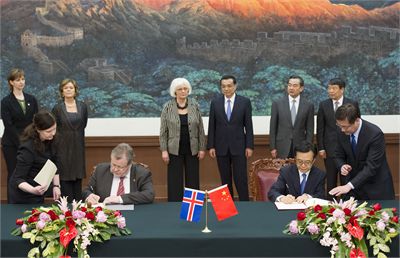
Iceland-China-Free-Trade-Agreement-april-2013-2Iceland’s Foreign Minister Össur Skarphéðinsson signed the deal with China’s Commerce Minister Gao Hucheng in Beijing couple of days ago, bringing to a close six years of talks. The free trade agreement will lower tariffs on a range of goods and is expected to boost seafood and other exports from Iceland to the world’s second-largest economy.

During talks following a formal welcoming ceremony at the Great Hall of the People in the center of Beijing, Chinese Premier Li Keqiang said the free trade agreement was “a major event in China-Iceland relations”. He added that the agreement will “increase the soundness of business transactions and presumably the interest among Chinese and Icelandic companies that are cooperating in geothermal power”.

China is already benefiting from Iceland’s expertise after 80 Chinese students graduated from the United Nations University Geothermal Program in Reykjavik. The signature of the free trade agreement between China and Iceland comes only a year after the countries signed a special deal  to increase co-operation in the development of geothermal energy. 

When in Iceland in April 2012, China’s then-Premier Wen Jiabao concluded the agreement during the first stage of a four-nation European tour.

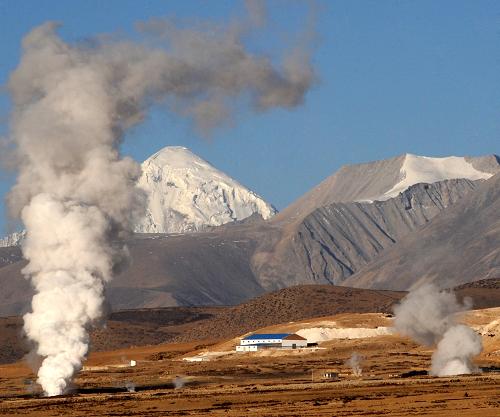
China-Geothermal-AreaIceland is on the forefront in geothermal energy utilization and is going to work with China, the world’s largest energy consumer, to develop geothermal resources. In an effort to meet an exponentially growing energy demand, as well as reduce its greenhouse gas emissions, China has become a leading investor in alternative energy technologies. China Petroleum & Chemical Corporation (Sinopec), the second largest oil and gas producer in the country, plans to make geothermal energy one of its main businesses.

The geothermal strategic partnership with China offers Iceland serious economic potential. Iceland is already working with India, countries in East Africa, Abu Dhabi, and several western countries to develop geothermal power projects. Geothermal energy resources are widely discovered in China, making the country riche in geothermal energy. The country is still in its infancy of developing and utilizing these natural resources, thus offering a huge market potential.

What explains the high energy intensity in Iceland?

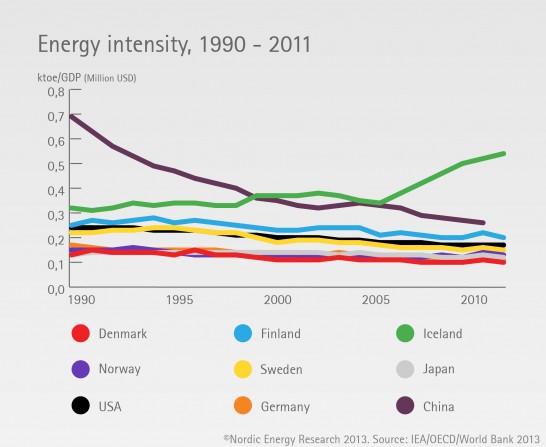
The worlds major economies have gradually been reducing their energy intensities (using less energy to produce one unit of GDP). This, for example, applies to all the Scandinavian countries. However, this does not apply to Iceland; Iceland has been increasing its energy intensity.

Nordic-Energy-intensity-1990-2011-with-China-Germany-Japan-USA

Reducing energy intensity means increasing the energy efficiency in the economy. China is an example of a country where the trend towards more energy efficiency has been evident. As the Chinese economy has increased productivity and moved towards higher value products, GDP has increased much faster than energy consumption.

Industry is often classified into three sectors;  primary, secondary, and services (tertiary sector). The primary sector involves the retrieval and production of raw materials, while the secondary sector involves the transformation of raw or intermediate materials into goods. The services- or tertiary sector involves the supplying of services to consumers and businesses.

Economies previously dominated by primary and secondary sectors, such as in Denmark, have steadily decreased their energy intensities since 1990. The economies in Sweden and Finland also follow this trend – although their energy intensity increased in the early 1990s due to an economic recession.

The reason for the present high energy intensity in Iceland, is the recent expansion of energy-intensive industries in the country. It is especially the aluminum industry that has expanded at a much faster rate than the general economy in Iceland has grown.

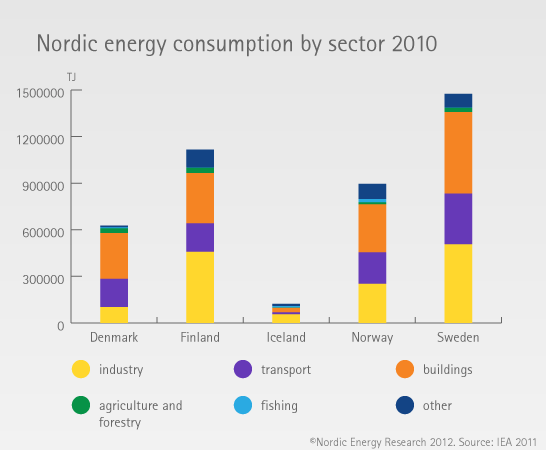
On average, industry accounts for about a third of the energy use in the Nordic countries. This is considerably higher than in most other developing countries.

Nordic-Energy-Consumption-by-Sector-20101

Both Iceland and Norway have significant metal manufacturing. This is due to historically cheap and plentiful hydroelectricity (and geothermal energy in Iceland). Because of the electricity consumption by the aluminium industry and other energy-intensive industries, Iceland and Norway actually have the world’s highest electricity consumption (and production) per capita!

Partnership with the University of Iceland

The Icelandic Energy Portal is an information source about Icelandic energy issues. The Portal was launched in June 2012. Our ambition is to cover all issues relating to the Icelandic energy sector and become the most comprehensive and user-friendly information source and database on the subject.

University-of-Iceland-research-students Recently, we signed a formal agreement on cooperation with the University of Iceland. This, for example, means that we will be presenting research and studies by professors, teachers and students of the university.

The University of Iceland is a progressive educational and scientific institution, renowned in the global scientific community for its research. It is a state university, situated in the heart of Reykjavík, the capital of Iceland. A modern, diversified and rapidly developing institution, the University of Iceland offers opportunities for study and research in almost 300 programmes spanning most fields of science and scholarship.

University-of-Iceland-studentsThe University of Iceland employs a large number of highly-educated and qualified academics. The vast majority of the permanent academic staff holds doctorate degrees and has studied and participated in research at respected foreign universities. Consequently academics at the University of Iceland are part of a strong and far-reaching global network, and many of them are leaders in their respective fields within the international scientific community.

The University of Iceland collaborates with hundreds of international universities and research institutes in student exchanges, research, faculty exchanges and more. All of the University’s students have the option of taking part of their degree at universities overseas. Hundreds of international students are enrolled at the University of Iceland, and their number is growing. The University employs numerous international guest professors and scientists and brings in lecturers from abroad almost on a daily basis. Hence the University is made up of a vibrant and multi-dimensional community of people.

University-of-Iceland-research-students-2Today, the University of Iceland is in the midst of a vigorous period of growth, currently ranked as one of the top 300 universities in the world. Research, scientific work and teaching at all levels are thriving, while remarkable achievements are attained on a regular basis with regards to improved facilities at the school. Recent and current undertakings serve to vastly enhance scientific activities and instruction at the University of Iceland and to improve facilities and opportunities for its students. Much more information about the university can be found on its comprehensive website.

10 TWh of green energy available

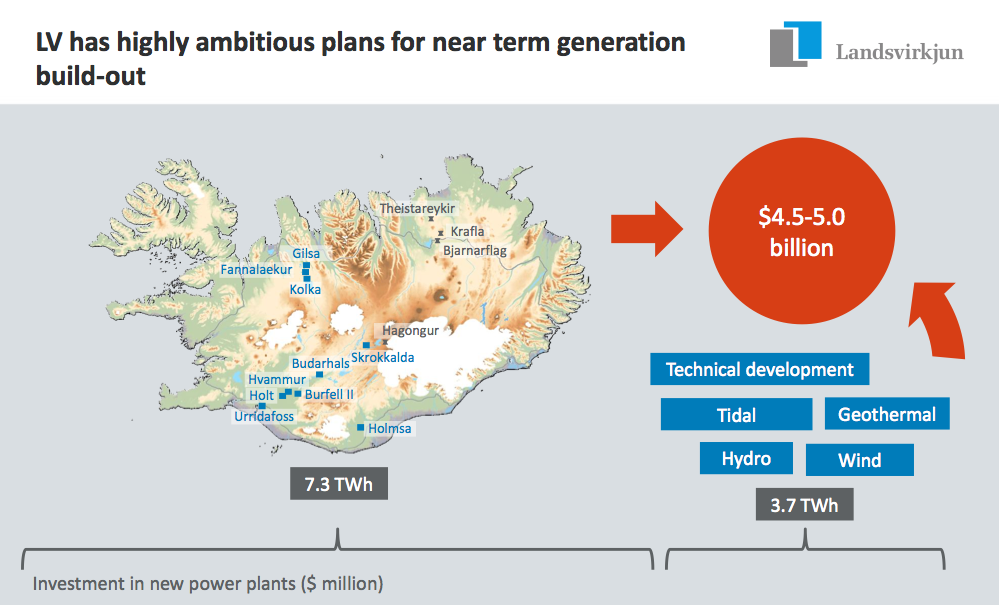
Iceland-Landsvirkjun-New-Renewable-Electricity-GenerationThe Icelandic power company Landsvirkjun has introduced plans for several new renewable energy projects.

If all these projects will be realized, they will add close to 7 TWh of annual generation from natural hydro- and geothermal sources. All the projects have been identified. As Landsvirkjun is owned by the Icelandic government, formal decisions about which of the projects will be realized first depends on the Icelandic parliament.

In addition, Landsvirkjun has put a figure on several other possible new power projects, that could be generating electricity within a decade or so. In total, Iceland may within near future be producing 9-10 TWh more electricity than today. This is not an exact figure; the new additional capacity could be somewhat less or even more. This will depend on the interest of new users of electricity, such as data centers, silicon industry etc. However, the most interesting option may be selling part of the new electricity production to markets in Europe.

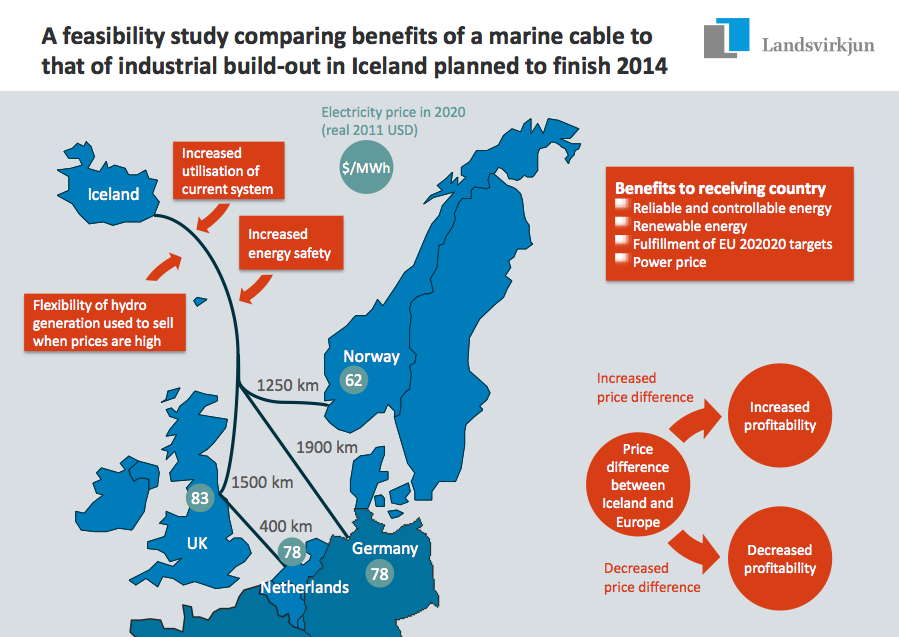
Iceland-Landsvirkjun-HVDC-Feasabilty-StudyA feasibility study on a possible electrical cable (high voltage direct current cable; HVDC) between Iceland and Europe is currently being carried out by a special working group. The group includes people from the Icelandic power sector and other stakeholders, appointed by the Icelandic Minister of Industries and Innovation. It is expected that the working group will deliver its report  during next year (2014).

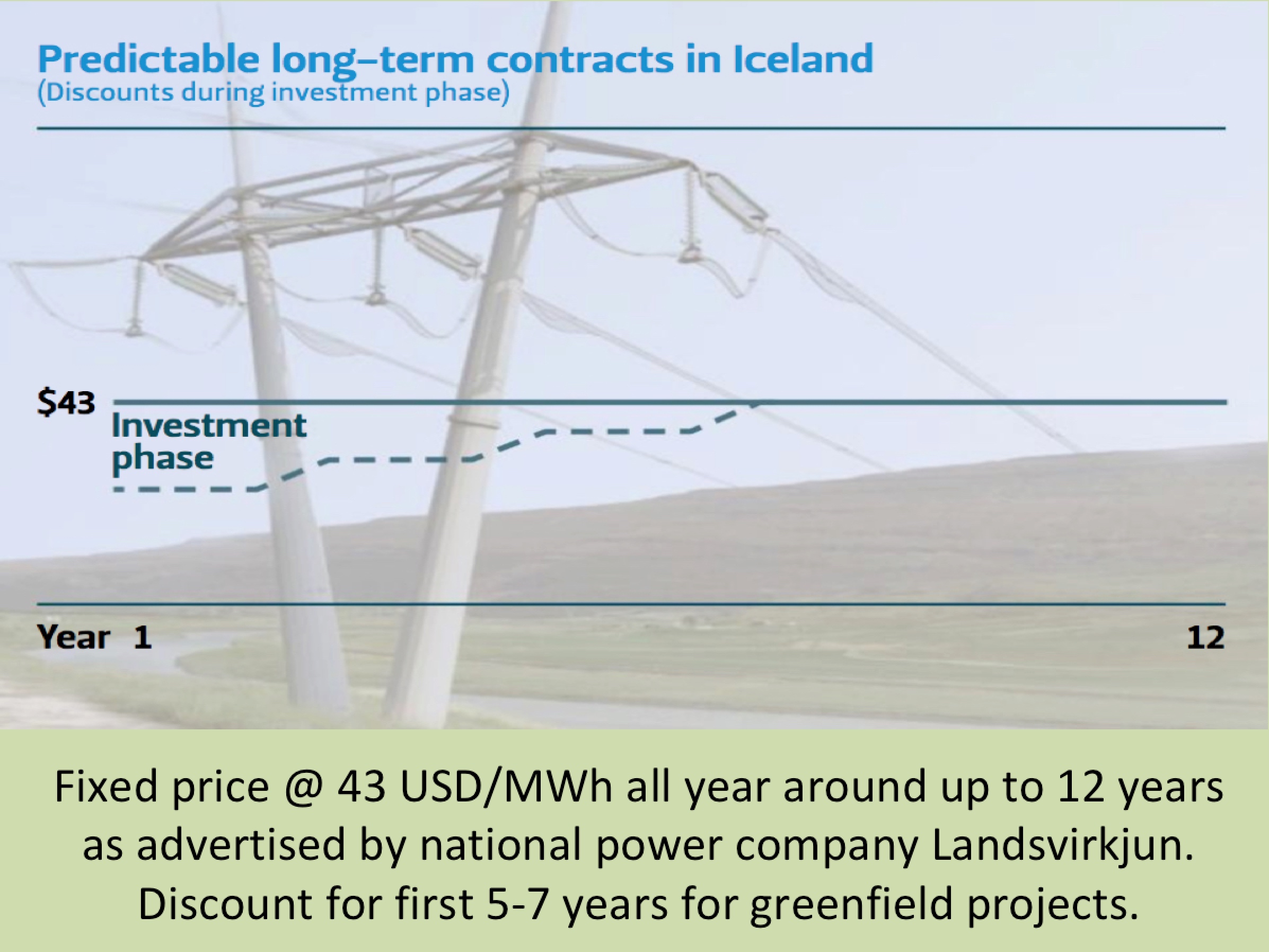
The high electricity prices in Europe make a cable to Europe an especially interesting option for the Icelandic power generating firms. During the last few years, wholesale electricity prices in Western Europe have often been around three times higher than in Iceland. Thus, an electric cable between Iceland and Europe could increase the profits of Icelandic power companies  substantially.

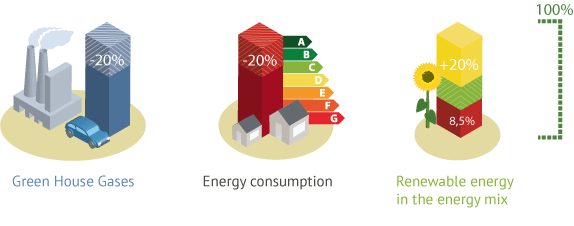
EU-energy-policy-20-20-20There would be numerous other positive gains from such a cable, as presented on the slide at left (the slide is from a presentation by Landsvirkjun). For example, the Icelandic power companies would be able to maximize the current capacity, resulting in more production. Europe would enjoy access to new green electricity generation, which would help the member states of the European Union (EU) in achieving climate- and energy goals (the EU aims at raising the share of EU energy consumption produced from renewable resources to 20% no later than 2020). The issues of such a connection between Iceland and Europe was described in more details in one of our earlier posts.

In the forthcoming months it will hopefully become clearer if Europe may gain access to the geothermal- and hydropower of Iceland.

European Union welcomes Icelandic geothermal know-how

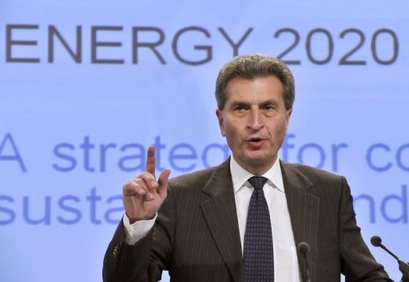
Earlier this month the Energy Commissioner of the European Union (EU), Mr. Günther Oettinger, emphasized the importance of Icelandic geothermal experience and know-how for EU’s energy policy.
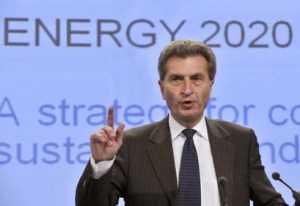
oettinger-geothermal-energy-eu-policyIn his closing speech at the Iceland Geothermal Conference 2013 in Reykjavik, Mr. Oettinger backed binding targets for renewable energy for 2030, noting that geothermal energy can “help us reach our energy and climate goals, and that we can expect the utilization of geothermal energy  to become more and more prominent”.

In European context, geothermal is currently just slightly over 0.1% of the total electricity generation. Around 1% of the renewable power generation within the EU comes from geothermal and geothermal accounts for approxemately 3% of EU’s renewable heat production.

Mr. Oettinger pointed out that the EU can learn a lot from Iceland regarding utilization of geothermal energy. Iceland alone generates almost as much electricity from geothermal sources as the rest of the EU put together. While all the 27 member states of the EU produce close to 6 TWh of electricity from geothermal sources annually, the figure in Iceland is 4,7 TWh. Another comparison Mr. Oettinger mentioned in his speech, is that Iceland produces more than ten times as much geothermal heating as Germany.

With this said, Mr. Oettinger expressed that it is “no surprise that the United Nations decided in 1978 to base its University Geothermal Training Programme in Iceland”. He went on stressing that Iceland has shown that by getting the energy policy and prices right, the jobs and businesses will follow.

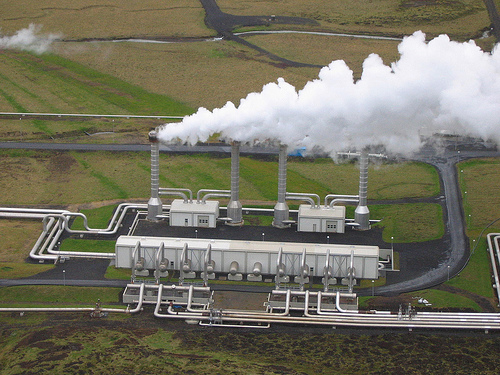
Iceland-Geothermal-Station-PipesMr. Oettinger said that geothermal can help EU’s member states achieving their energy policy goals on sustainability, competitiveness, security of supply, and geopolitical security. Of course geothermal will never be taking off in the EU the same way as in Iceland – the geography and geology is simply too different for that. “But we reckon that if we played it right, we could get 5% of our energy demand from geothermal within 10 years.”

This is a very interesting suggestion of a possible goal by Mr. Oettinger. Not only would this call for a massive investment in the geothermal sector, but at the same time offer great possibilities for Icelandic businesses, with their extensive knowledge of geothermal utilization. In this respect it is worth mentioning the Icelandic engineering firms are already is working on several geothermal projects on the European continent and elsewhere in the world.

Possibly, geothermal utilization for heating and cooling (by geothermal heat pumps) could be the best option for the EU in growing its use of geothermal energy. Thus, it is not surprising that in his speech Mr. Oettinger especially mentioned that although the EU does have “nowhere near the geothermal resources that Iceland has, there is plenty of potential in Europe, in particular for heating”. This may for example apply to countries like Germany, Hungary, Romania and Slovenia, just to name a few of EU’s member states.
Iceland-Geothermal-Conference-2013-Gekon-logoFrom Mr. Oettinger’s speech at the Iceland Geothermal Conference, it seems clear that we may expect more cooperation in the field of geothermal energy between the EU and Iceland. Mr. Oettinger expressed EU’s interest in increasing financial support for more geothermal research. In this regard he mentioned the European GEOFAR project (Geothermal Finance and Awareness in European Regions), and stressed his aim to get bankers and investors more interested, as well as conventional extractive industries, including oil and gas.

Next Iceland Geothermal Conference will be taking place in April 2016.

World Bank calls for global geothermal energy initiative

Walking out of Keflavik airport as the arctic breeze hit my face at 50 km per hour, I thought to myself, “I love my job.”

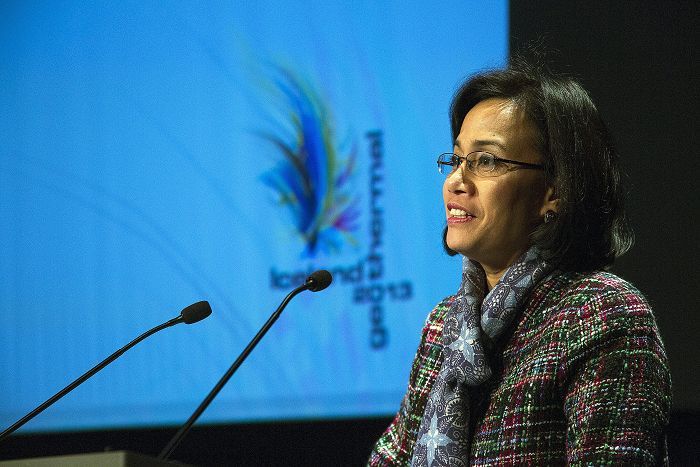
Sri Mulyani Indrawati-Iceland-2012These words are from a recent blog of Mrs. Sri Mulyani Indrawati, Managing Director of the World Bank, following her visit to Iceland. There, Sri Mulyani was a keynote speaker at at the Iceland Geothermal Conference, which took place in Reykjavik on March 5-8. Roughly 600 participants, delegates, and exhibitors attended the conference to discuss changes and forward thinking within the energy industry, with 55 presentations given by global figureheads within the industry.

The Geothermal Conference has helped carry a positive message for the possibilities within the green energy industry. A major obstacle for geothermal projects has been the initial test drilling phase, which can be very expensive and risky. By its new Global Geothermal Development Plan (GGDP), the World Bank hopes to attract more investment into geothermal exploration.

The focus of the GGDP is on geothermal opportunities in the developing world. Many developing world regions are rich in geothermal resources, including East Africa, Southeast Asia, Central America, and the Andean region. The GGDP will bring together donors and multilateral lenders around an investment plan to scale up geothermal power, with the goal of developing a pipeline of commercially-viable projects that are ready for private investment.

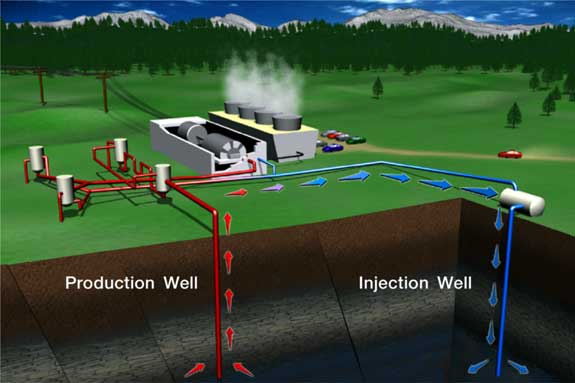
Geothermal-plant-illustrationPromising sites will be identified and exploratory drilling financed, with the aim of developing commercially viable projects.  The Plan’s initial target is to mobilize USD 500 million. Donors can participate by identifying viable projects, and through bilateral assistance, as well as by contributing to existing channels such as the Climate Investment Funds (CIF’s) or the Global Environment Facility (GEF).  The GGDP will be managed by the World Bank’s longstanding Energy Sector Management Assistance Program (ESMAP).

The World Bank and Iceland are already working together to support surface exploration studies and technical assistance for countries in Africa’s Rift Valley. This cooperation includes project financing of geothermal exploration in thirteen East Africa Rift Valley by the Icelandic International Development Agency (ICEIDA) and the Nordic Development Fund (NDF).

Iceland-Geothermal-power-plant-1The GGDP expands on previous efforts by its global scope, and will build on regional efforts such as the coopertaion between Iceland and the World Bank. “Until now, our work has been at the country and regional levels,” Sri Mulyani said. “These efforts are important, and should continue.  But a global push is what is needed now. Only a global effort will put geothermal energy in its rightful place – as a primary energy source for many developing countries.  Only a global effort will pool resources to spread the risk effectively. It will let us learn from each other, from our failures and successes, and apply that learning.”